Reviewing the Mom and Mimi SVG for Embroidery
As a designer who spends half my day digitizing files and the other half stitching them out, I have learned to look past the glossy preview images. When I first opened the Mom and Mimi SVG Funny Grandma Quote PNG, my immediate reaction was not just about the cuteness factor, though that is certainly present. My mind went straight to the needle. How will this translate from a flat digital graphic into a textured, tactile embroidery project? This is the critical question every Etsy seller and craft business owner must ask before listing a new item.
The First Impression: Mood and Layout
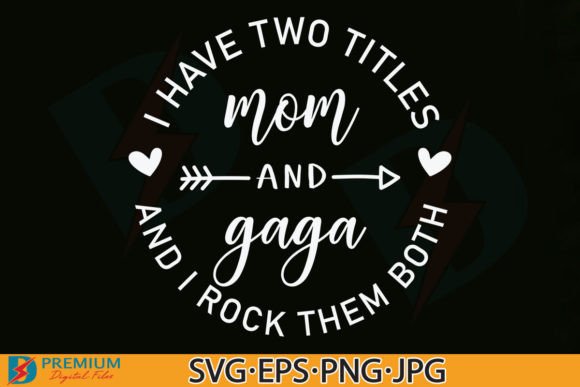
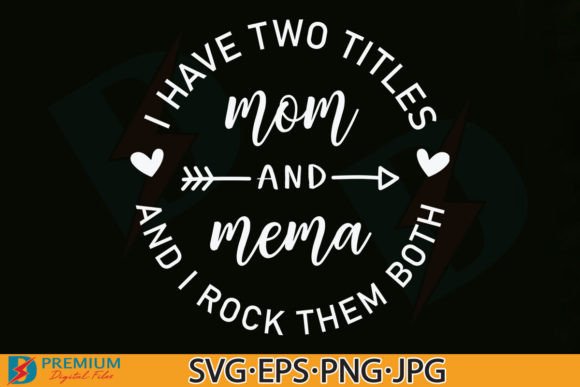
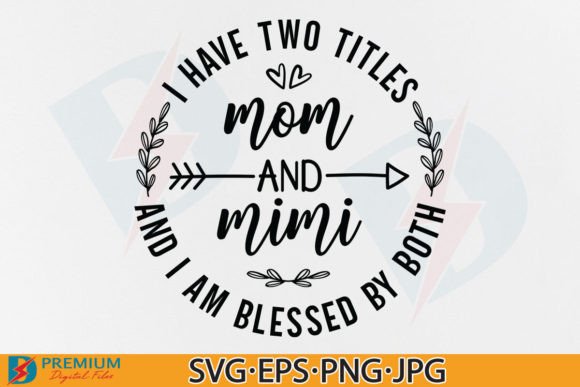
The design carries a warm, humorous vibe that resonates deeply with the current market for personalized family gifts. The layout appears balanced, which is essential for maintaining structural integrity during stitching. In embroidery, overly complex layouts can lead to puckering or thread breaks, especially on stretchy fabrics. The visual personality of this piece suggests it belongs on items that are meant to be hugged, worn, and displayed with pride. It feels less like a rigid corporate logo and more like a heartfelt message, which increases its potential as a high-value personalized gift.
However, we must address the file format immediately. The product description notes that you receive PNG files, specifically high-resolution transparent backgrounds. For those of us working with embroidery machines, this presents a specific workflow challenge. A PNG is a raster image, not a vector or a native embroidery file like PES or DST. This means you cannot simply load it into your machine. You will need to use auto-digitizing software or, preferably, manually digitize the design to control stitch types. This distinction is vital for maintaining quality in a small shop product.
Real-World Application: From Screen to Stitch
Let us imagine a real scenario. A client approaches you for a custom sweatshirt embroidery piece for Mother’s Day. They want something funny but sweet for a grandmother who goes by "Mimi." This design fits that brief perfectly. Because the text is likely the focal point, you would want to use a bold fill stitch for the letters to ensure readability. If the design includes graphical elements, such as hearts or flowers, these might benefit from a satin stitch border to define the edges against the fuzzy texture of a cotton blend sweatshirt.
I tested the concept mentally on a few different substrates. On a sturdy canvas tote bag design, the high resolution of the PNG allows for clear reference when digitizing. The transparent background is a huge plus here, as it lets you see exactly where the design edges fall without guessing. For a baby embroidery project, such as a onesie or a burp cloth, the scale becomes critical. You must ensure that the lettering does not become so small that the stitches merge into a blob. In these cases, simplifying the design during the digitizing phase is often necessary to preserve clarity.
Navigating Fabric and Technique Challenges
One of the most common mistakes I see among new embroidery designers is ignoring fabric texture. This design, with its likely mix of text and graphics, requires careful attention to stitch density. If you are stitching on a thin, lightweight fabric like a jersey t-shirt, a dense fill can cause the garment to pucker or tear. In such cases, using a cut-away stabilizer is non-negotiable. For thicker materials like denim jackets or canvas aprons, you might get away with a lighter stabilizer, but the hoop tension must be perfect.
Dark fabrics pose another challenge. If you are creating a holiday embroidery gift on a navy or black shirt, you must choose thread colors with high contrast. Light pastels or bright whites will pop, while muted tones may disappear. Since you are working from a PNG, you have the freedom to experiment with color palettes in your editing software before you even touch the digitizing program. This flexibility is a significant advantage for creating unique custom apparel that stands out in a crowded marketplace.
Commercial Viability and Brand Consistency
For commercial embroidery professionals, consistency is key. Using a design like Mom and Mimi SVG Funny Grandma Quote PNG across multiple products requires a standardized digitizing approach. If you sell this as an embroidered patch, the edges need to be clean and possibly bordered with a running stitch or satin column to prevent fraying. If it is directly stitched onto a pillow cover or tea towel, the backside finishing matters just as much as the front. Customers who buy handmade items often inspect the reverse side, and messy jump stitches can undermine trust in your brand.
Furthermore, consider the licensing. The description mentions commercial use, but it is always wise to double-check the specific terms provided by the creator. As an Etsy seller, your reputation depends on respecting intellectual property. Ensure that the license covers finished physical goods if you plan to sell stitched items, and verify if it covers digital redistribution if you plan to sell the digitized file itself. Never assume; always read.
Practical Designer Notes for Best Results
Before you commit to a full production run, follow these steps to ensure quality:
- Test on scrap fabric: Always stitch a sample on the same material and weight as your final product. This reveals issues with tension and density.
- Check thread contrast: View your design in black and white. If the elements blend together, adjust your thread choices for better visibility.
- Review stitch density: High density looks luxurious but can stiffen fabric. Balance aesthetics with comfort, especially for wearable items.
- Confirm hoop size: Ensure the design fits within your machine’s maximum hoop area without requiring re-hooping, which can cause alignment errors.
- Inspect small details: Tiny elements in the PNG may not translate well to thread. Simplify or enlarge these parts during digitizing.
In conclusion, the Mom and Mimi SVG Funny Grandma Quote PNG is a strong candidate for various T-Shirt Designs and home decor items, provided you approach it with a designer’s eye. It offers emotional appeal and visual charm, but its success lies in your technical execution. By treating the PNG as a reference rather than a final file, and by paying close attention to fabric choice and stitch technique, you can transform this digital asset into a cherished finished product. Whether for a wedding gift, a boutique launch, or a simple family keepsake, this design has the potential to perform well in the hands of a skilled maker.