Reviewing the Introvert University SVG for Stitching
As a designer who spends half my life digitizing files and the other half watching needles punch through fabric, I have learned that not every cute graphic translates well to thread. We often browse Print Templates and Graphics with our eyes, forgetting that embroidery is a tactile medium. When I first encountered the Introvert University Funny Svg Quote, my initial reaction was amusement. It captures a very specific, relatable mood—the desire to stay home, avoid small talk, and embrace the quiet. But amusement does not pay the bills or satisfy customers. I needed to know if this design would hold up under the needle.
I approached this evaluation as if I were preparing a custom order for a client who runs a small boutique selling cozy, humorous apparel. The goal was simple: determine if this machine embroidery design could transition from a digital concept to a high-quality finished product without losing its charm or structural integrity.
The Visual Personality and Layout
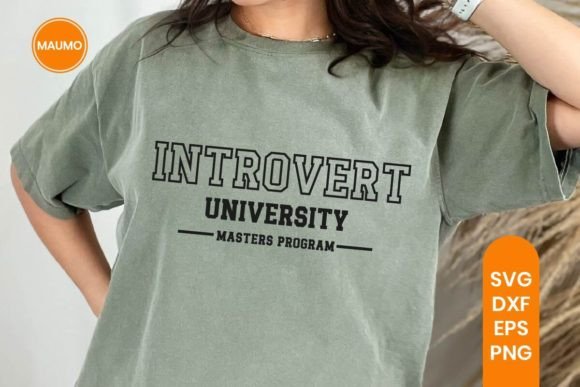
The first thing you notice about the Introvert University Funny Svg Quote is its typographic personality. It leans into the "anxiety university" and "socially awkward" aesthetic with a layout that feels casual yet intentional. For an embroidery project, layout is everything. If the letters are too close together, they will merge into a blob of thread. If they are too far apart, the design loses cohesion.
In this case, the spacing appears generous enough to allow for proper stitch definition. The theme resonates strongly with the current market trend of mental health awareness and introvert pride. This is not just a joke; it is a statement piece. For an Etsy seller or craft business owner, this means the design has built-in marketing appeal. It speaks directly to a niche audience that values humor and authenticity. However, visual appeal on a screen is different from visual appeal on fabric. The clean lines suggest it could work well with a combination of satin stitch for borders and fill stitch for larger letter areas, provided the digitizer has accounted for pull compensation.
Real-World Application: The Sweatshirt Test
To truly test the viability of this design, I imagined applying it to a heavy-weight cotton blend sweatshirt. This is a popular item for custom apparel and personalized gifts. The texture of a sweatshirt is forgiving, which is beneficial for designs with moderate detail. The "Introvert University" text would sit prominently on the chest or perhaps smaller on the sleeve for a subtle nod to the wearer’s personality.
When stitching on textured fabrics, the risk of puckering increases. A design like this, which relies on legibility, requires a stable foundation. I would recommend using a cut-away stabilizer to ensure the fabric does not distort during the stitching process. The result should be a crisp, professional look that enhances the value of the garment. If executed poorly, the letters might look jagged or uneven, undermining the humor and the quality of the handmade product.
Beyond sweatshirts, this design has potential for tote bag design applications. A canvas tote with this quote appeals to students and book lovers alike. The flat surface of a tote bag allows for precise stitching, making it an ideal candidate for testing the clarity of the embroidery file. It transforms a simple utility item into a conversation starter, which is exactly what buyers of small shop products are looking for.
Navigating Technical Challenges
While the design is charming, there are areas where caution is necessary. Not every substrate is suitable for this type of typography. For instance, attempting to stitch this onto a curved surface like a cap requires careful consideration of hoop size and stabilization. Caps have limited space and a difficult contour. If the text is too wide, it may wrap around the curve uncomfortably or require splitting the design, which can complicate the alignment.
Additionally, thin or stretchy fabrics pose a significant challenge. If a customer requests this design on a lightweight t-shirt, the stitch density becomes critical. Too many stitches in a small area can cause the fabric to pucker or tear. In such cases, using a backing stabilizer and possibly reducing the density of the fill stitches would be essential. I always advise testing the design on scrap fabric first, especially when working with new materials. This step saves time, thread, and frustration.
Dark fabrics present another hurdle. If the thread colors do not contrast sufficiently with the background, the message gets lost. For a dark navy or black hoodie, using bright white or neon thread would ensure the "Introvert University" quote remains readable. Always check your design in black and white mockups to verify contrast before committing to the final stitch out.
Considerations for Small Details
- Tiny Lettering: Ensure that any small text within the design is large enough to be stitched clearly. Threads have thickness, and tiny details can get lost.
- Dense Stitch Areas: Check for overlapping stitches that could create bulk and affect the drape of the fabric.
- Fabric Texture: Rough textures like terry cloth may obscure fine details, so adjust expectations accordingly.
- Washability: Consider how the design will hold up after frequent washing. Proper underlay stitches are crucial for longevity.
Commercial Viability and Brand Consistency
For those using this as a digital embroidery file for commercial purposes, understanding the license terms is paramount. Before selling embroidered patches, baby embroidery items, or holiday embroidery gifts featuring this design, confirm that the license permits commercial use. Many designers offer different tiers of licensing, and violating these terms can have serious legal consequences.
From a branding perspective, this design fits well with shops that focus on humor, self-care, and niche interests. It adds a layer of personality to your design assets portfolio. Customers trust brands that understand their identity. By offering a product that says "I prefer staying home," you are validating their feelings and building a connection. This emotional resonance drives buyer engagement and repeat business.
However, professionalism is key. A poorly stitched design reflects poorly on your brand. Take the time to refine your machine settings, choose high-quality threads, and inspect each finished product for loose ends or tension issues. A clean, well-executed stitch out elevates the perceived value of the item, allowing you to charge a premium price.
Final Thoughts for the Maker
The Introvert University Funny Svg Quote is more than just a funny phrase; it is a versatile design element that, when handled with care, can produce stunning results. Whether you are creating a printable mockup for your online store or stitching a one-of-a-kind gift, the principles remain the same. Respect the material, understand the limitations of the medium, and prioritize clarity.
Before you hit start on your machine, take a moment to review the file. Check the stitch path, verify the color stops, and ensure the design fits your chosen hoop. Embroidery is an art form that blends technology with craftsmanship. By approaching each project with this mindset, you turn simple graphics into cherished keepsakes. This design has the potential to be a bestseller in your shop, provided you give it the technical attention it deserves. Happy stitching.