Reviewing Apparently We re Trouble when We Are Tog for Stitch
As a designer who has spent countless hours digitizing and stitching out files, I approach every new machine embroidery design with a mix of curiosity and caution. The market is flooded with generic clipart converted into stitches, but occasionally, a file stands out for its potential in real-world applications. Recently, I evaluated Apparently We re Trouble when We Are Tog, a graphic that promises personality and edge. My goal was not just to look at the preview image, but to determine how this design translates from a digital asset into a tangible, high-quality finished product.
First Impressions and Visual Personality
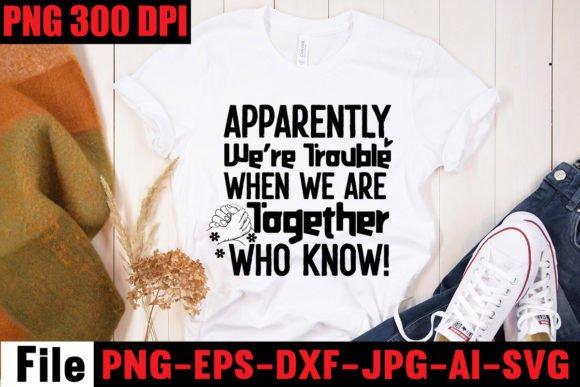
The phrase itself carries a playful, rebellious energy. It suggests camaraderie, mischief, and a bold attitude. Visually, the layout needs to balance readability with style. When reviewing the provided assets—specifically the SVG, DXF, EPS, and PNG files included in the DIGITAL DOWNLOAD ONLY package—I looked for clean lines and balanced spacing. For embroidery, negative space is just as important as the stitched areas. A design that is too dense can pucker fabric, while one that is too sparse may lack impact.
This particular graphic fits well within the realm of modern T-Shirt Designs and casual apparel. It does not scream "traditional heirloom," which is a good thing if you are targeting a younger demographic or customers looking for fun, conversational pieces. The mood is lighthearted yet confident, making it an excellent candidate for gifts between friends, siblings, or partners who share a sense of humor.
Real-World Application: The Custom Sweatshirt Test
To truly test the viability of Apparently We re Trouble when We Are Tog, I imagined a specific client project: a set of matching crewneck sweatshirts for a bachelorette party or a girls' trip. In this scenario, the design needs to hold up against the texture of fleece or cotton-blend fabric. Unlike smooth quilting cotton, sweatshirt material has a nap and some stretch. This is where the quality of the underlying vector matters.
Since the download includes an EPS file and SVG, I can inspect the paths before converting them into stitches using my preferred digitizing software. This step is crucial. If the original graphic has jagged edges or overly complex curves, it will result in unnecessary needle penetrations. For a project like this, I would recommend using a combination of satin stitch for smaller text elements and a light fill stitch for any larger graphical components, ensuring the stitch density remains low enough to prevent the garment from becoming stiff.
Navigating Fabric and Hoop Constraints
One of the most common mistakes makers make is forcing a design into a hoop size that is too small. Before loading Apparently We re Trouble when We Are Tog onto your machine, measure the actual dimensions of the stitched-out area. If you are working on a embroidered patch or a small pocket on a tote bag design, you might need to scale it down. However, scaling down text-heavy designs can be risky. Tiny lettering can become illegible if the threads merge together.
I advise testing the design on scrap fabric first. Use the same type of material you intend to use for the final product. If you are stitching on dark fabric, consider how the thread colors will pop. High-contrast combinations work best for this kind of bold statement piece. Additionally, always use the appropriate stabilizer. For stretchy fabrics like jersey knits used in t-shirts, a cut-away stabilizer provides the necessary support to keep the design from distorting after washing.
Commercial Viability for Etsy Sellers and Craft Businesses
For Etsy sellers and small shop owners, the appeal of this design lies in its versatility. It is not limited to one season or holiday. While it could easily serve as holiday embroidery for New Year's Eve parties, it is equally suitable for year-round sales. The key to success here is presentation. Since the package includes a transparent PNG at 300 DPI, you can create high-quality printable mockup images for your online listings without needing to stitch every single color variation physically.
However, remember that this is a digital file purchase. You are buying the right to use these graphics, likely after digitizing them yourself or using them for cut projects. If you are selling physical items, ensure you understand the licensing terms associated with the creator’s work. Most commercial embroidery licenses allow you to sell finished physical goods, but reselling the digital file itself is typically prohibited. Always clarify this before listing your custom apparel or personalized gift items.
Technical Considerations for Clean Stitching
When working with graphics that include phrases, the alignment is critical. A slight skew in the hoop can make the text look unprofessional. Use your machine’s alignment tools or mark your fabric carefully. For caps and curved surfaces, the challenge increases. The phrase might need to be arched to follow the contour of the hat. The included vector files (SVG and DXF) make this adjustment possible in design software before you even touch the embroidery machine.
Pay attention to thread tension. If you notice looping or breaking threads, adjust your tension settings. A well-digitized design should run smoothly, but every machine behaves differently. Testing on a similar fabric weight helps you dial in these settings before committing to a customer’s expensive garment.
Final Verdict on Design Utility
Apparently We re Trouble when We Are Tog is a strong contender for makers who want to add personality to their product line. It moves beyond basic floral motifs and offers a narrative element that customers connect with. Whether you are creating a baby embroidery item for mischievous twins or a bold statement piece for a boutique brand, this graphic holds up under scrutiny.
The inclusion of multiple file formats ensures that whether you are a Cricut user, Silhouette owner, or professional embroiderer, you have the tools needed to adapt the design. Just remember: the digital file is only the starting point. Your choice of thread, fabric, stabilizer, and stitching technique will ultimately define the quality of the final product. Take the time to test, adjust, and refine, and this design can become a reliable staple in your creative arsenal.